





Temporary works are one of the unsung heroes of construction projects. One main key in Temporary Works is early engagement with Shore Hire’s Engineering team, early planning can ensure the right equipment, costs and work methodology are provided. Temporary Works They provide critical short-term support during the build phase, helping structures, excavations, and equipment remain stable until the permanent works are complete. Temporary Works can also help to save on material waste and cost when the equipment is hired instead of purchased for the temporary period. An example of this is reusable props and shoring being hired to replace the use of structural steel, which is then otherwise purchased and discarded. Without well-designed and executed temporary works, projects risk structural instability, safety incidents, and costly delays.
This article will cover:
- What temporary works are and why they matter.
- Key types and common applications.
- Safety and compliance requirements.
- Practical tips for planning.
- When to bring in professional expertise.
What Are Temporary Works?
Temporary works are short-term structures or systems that support the permanent works during construction, renovation, or demolition. Examples of temporary works include systems and structures such as:
- Props and propping systems.
- Shoring systems for trenches and excavations.
- Formwork and falsework.
- Ground protection.
- Temporary bridges or access platforms.
- Traffic management barriers and road plates.
While they’re not part of the final completed structure, they are critical to getting there safely. Temporary works are only in place for a limited period – but they must be carefully designed and installed to manage overall site risk and to meet multiple codes of strict safety standards.
Why Temporary Works Are Important
Many structural failures occur during the build phase, when permanent works are incomplete or temporarily unsupported. Without well-designed and executed temporary works, projects face increased safety risks, potential accidents, and the danger of structural movement or failure. These issues can also result in project delays and costly rework. Partnering with an experienced provider like Shore Hire ensures temporary works are delivered safely and efficiently, protecting people, structures, and project schedules.
Types of Temporary Works & Applications
1. Shoring
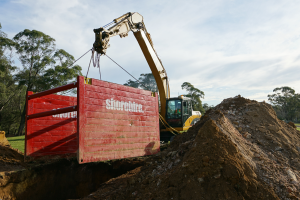
Shoring systems such as lightweight vertishores, aluminium or steel trench boxes, trench sheets, and hydraulic braces are essential for excavation safety. They provide stability to trench walls and protect workers by preventing collapses during groundworks.
2. Propping
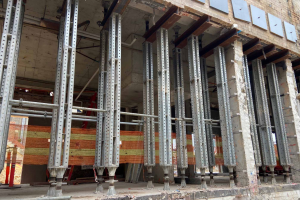
Propping solutions include aluminium tilt props, steel tilt props, Titan props, Acrow props, and modular systems such as Shore 100, 200, 400, and 1000. These are commonly used for slab back-propping, wall bracing, and tilt panel support, offering reliable temporary strength during structural works.
3. Traffic Management

Temporary traffic management is critical for maintaining safe access around construction sites. This includes temporary safety barriers, water-filled barriers, and traffic control setups designed to protect workers, vehicles, and pedestrians.
4. Jacking & Lifting
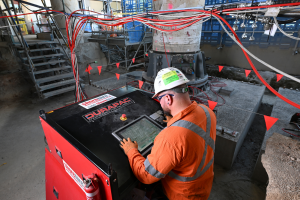
Hydraulic jacks, synchronised jacks, heavy vehicle power jacks, and multi-loaders enable safe and precise lifting operations. These systems are often used for moving heavy loads, bridge support, or controlled lifting during complex construction tasks.
5. Pumps & Dewatering
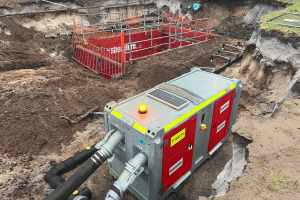
Dewatering and pumping systems manage water effectively on site. Applications include sewer bypass, stormwater control, wellpoint dewatering, groundwater management, and water treatment. These systems help maintain safe working conditions and ensure compliance with environmental requirements.
Common Applications Include:
- Back-propping slabs during structural modifications and crane support when on suspended slabs
- Support towers for bridges or heavy structures.
- Underpinning existing foundations.
- Demolition support.
- Wall bracing for temporary stability.
- Tilt prop installation for precast panels.
- Hydraulic jacking and load monitoring.
- Temporary access roads and traffic management.
- Retaining walls and shoring systems.
- Dewatering or By-pass pumping works
- Any equipment or works that temporarily make a worksite safe and secure for planned construction activity to continue.
Safety & Compliance Considerations
Relevant Safety Standards:
Temporary works in Australia must comply with strict safety and engineering standards, including Australian Standards for formwork, propping, shoring, and load assessment, as well as Safe Work Australia codes of practice for excavation, high works, falls, enclosed spaces, traffic and temporary structures. Specialist guidance from Engineers Australia and other state regulators may also apply to certain arrangements and we recommend you consult with your site safety manager before planning or commencing temporary works.
Key safety factors:
Safety is at the core of every temporary works project. All systems must be engineered to withstand the expected loads, ensuring that structural stability is never compromised. Correct installation by trained personnel is just as important, as even the best-designed systems can fail if not properly set up. Once in place, temporary works should be subject to regular inspection and monitoring to identify any signs of weakness or movement. During jacking or propping operations, load tracking is critical to confirm that pressures remain within safe limits.
Risk management:
Effective risk management begins with a clear understanding of load paths and how structures behave at every stage of construction. Temporary works must account not only for the applied loads but also for environmental influences such as wind, groundwater, or variable soil conditions. Factoring these elements into the design and installation process helps avoid unexpected failures and keeps projects safe and compliant. Risk must also consider introduced loads such as vehicles, roads, excavation machinery moving onsite and near-by train lines.
Practical Tips for Temporary Works Success
Early planning makes a significant difference to temporary works outcomes. Integrating them into your construction methodology from the start ensures they are properly coordinated with the permanent works. Engineering input is essential, as designs must suit both the load requirements and the unique conditions of the site.
Selecting the right system is another key step. Modular options can save time on site and adapt more easily to project changes. Training site teams on correct handling and installation reduces the likelihood of accidents, while regular inspections help monitor for movement, wear, or overloading. Together, these measures ensure temporary works remain safe, efficient, and fit for purpose throughout the project.
When to Get Professional Support
Professional temporary works expertise is essential when:
- Loads are large or complex.
- You’re working near sensitive structures or in live environments.
- The project has unusual site or environmental conditions.
- Structural stability could be compromised without advanced engineering.
- Vehicle access routes are changed, temporarily created or not available via on local council, state or federally managed roads.
Risks of going it alone:
Attempting to manage temporary works without expert input can lead to serious consequences. Safety is the most pressing concern, as poorly designed or installed systems increase the risk of major incidents on site. Beyond safety, there are regulatory risks, with non-compliance exposing projects to significant fines. Operationally, failures in temporary works often result in costly delays and budget blowouts due to rework — issues that can be avoided by engaging experienced professionals from the outset.
Shore Hire delivers safe, efficient, and fully compliant temporary works solutions nationwide. Our expert team are ready to help providing you with:
- Specialist range – from aluminium tilt props to Shore 1000 modular systems, plus shoring, jacking, traffic, dewatering, lasers, and confined space equipment.
- In-house engineering services – bespoke designs tailored to site and load requirements.
- Installation & monitoring – skilled rigging teams for safe, compliant setup.
- End-to-end service – from concept and design through to onsite support.
With decades of experience, Shore Hire supports both major contractors and small builders on projects of every scale. Temporary works are critical to safety and success on site. Whether you need a single prop or a complete multi-stage engineered solution, we are here to help.
Call 1300 SHORE HIRE or get in touch online to discuss your temporary works requirements and arrange a site assessment.